

By Isaac Afolabi
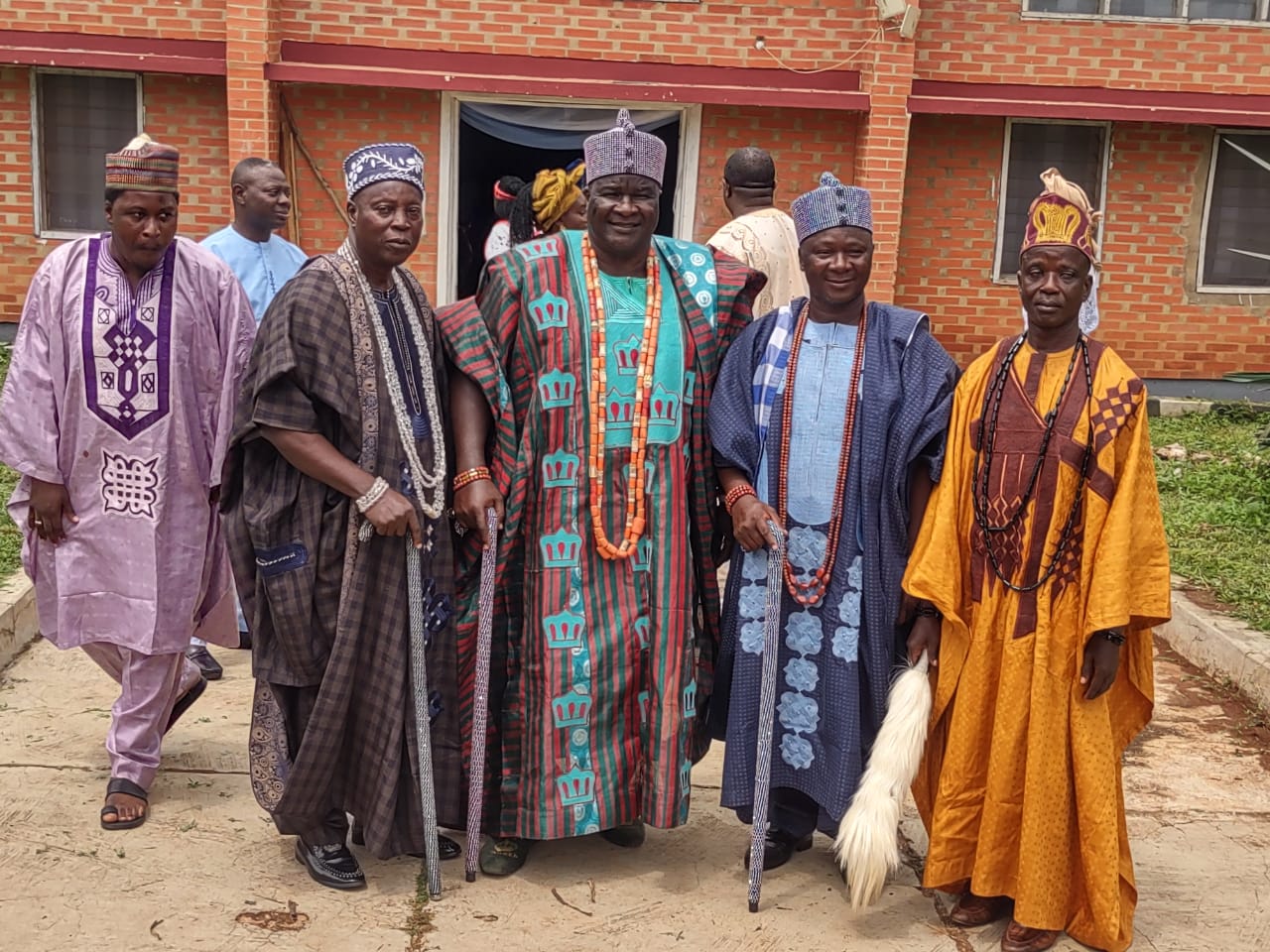
The Onidera of Idera Land, Oba James Buremoh, has emphasized the importance of cultural heritage as a vital tool for national development, unity, and identity preservation, urging young Nigerians to remain connected to their roots despite the growing influence of globalization.
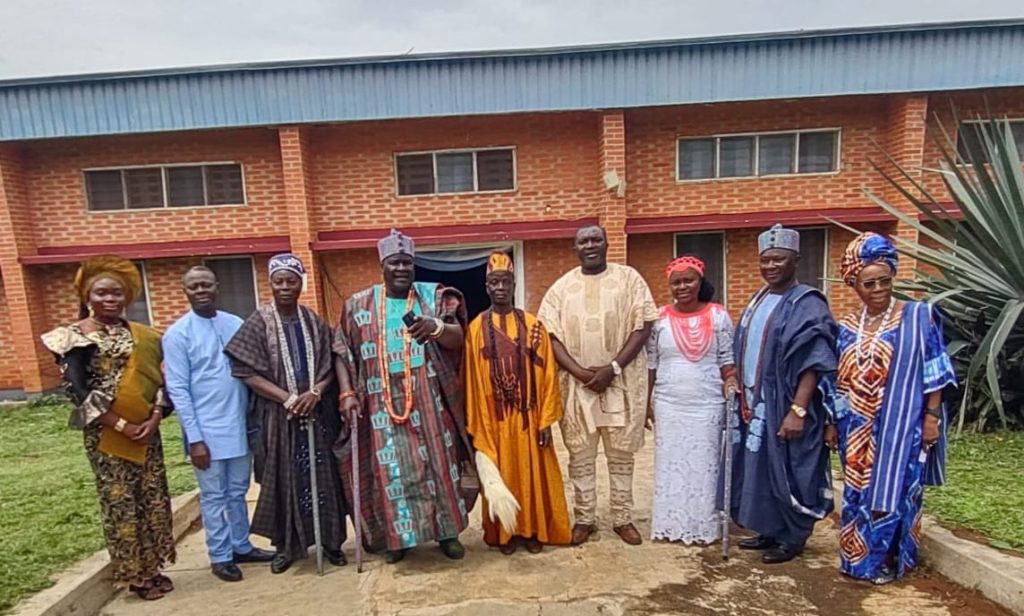
Speaking as the Guest Speaker at the maiden Cultural Day celebration of Thomas Adewumi University, Oba Buremoh said culture remains the foundation upon which societies build their values, morals, and collective identity.
The monarch, popularly known as the “Africa Tiger,” commended the university management for organizing the event, describing it as a timely initiative aimed at promoting cultural consciousness among young people.
According to him, culture goes beyond traditional attire, music, dance, and cuisine, noting that it encompasses the entire way of life of a people, including their beliefs, traditions, values, and social systems.
He highlighted Nigeria’s rich cultural diversity as one of the nation’s greatest strengths, stressing that the country’s various ethnic groups should be viewed as assets capable of fostering national unity and progress rather than sources of division.
Oba Buremoh expressed concern over the gradual erosion of indigenous cultures as a result of globalization and technological advancement, warning that many young people are becoming increasingly disconnected from their cultural roots.
“Modernity should not come at the expense of our identity. We can embrace innovation, technology, and global citizenship while remaining proud custodians of our cultural heritage,” he said.
The traditional ruler called on universities and other institutions of higher learning to intensify efforts toward preserving and promoting indigenous knowledge systems, local languages, African history, traditional governance structures, and cultural practices.
He noted that African societies had long-established systems of governance, conflict resolution, agriculture, medicine, commerce, and environmental management before the advent of modern institutions, adding that such indigenous knowledge remains relevant to contemporary development.
Addressing students, Oba Buremoh urged them to take pride in their cultural heritage by learning their native languages, understanding their history, and respecting their traditions.
He said cultural identity helps build confidence, self-esteem, and a sense of belonging, warning that societies that neglect their cultural heritage risk losing their identity and direction.
The monarch also underscored the economic value of culture, noting that many countries generate substantial revenue through cultural tourism, festivals, traditional arts, fashion, music, and creative industries.

He stated that Nigeria possesses enormous untapped potential in these sectors and could create jobs, attract investments, and strengthen the economy by properly harnessing its cultural resources.
Oba Buremoh further stressed the role of traditional institutions in promoting peace, social cohesion, education, and community development, adding that traditional rulers must continue to collaborate with educational institutions and government agencies to preserve cultural values.
He urged young Nigerians to become bridges between the wisdom of the past and the opportunities of the future by embracing education without abandoning their cultural identity.
The royal father also called for the preservation of virtues such as integrity, respect for elders, hospitality, discipline, compassion, and communal living, describing them as timeless values necessary for responsible leadership and sustainable development.
According to him, true national greatness lies in balancing modernization with cultural preservation.
“Progress without identity leads to confusion, while identity without progress leads to stagnation.
The challenge before us is to achieve both,” he said.
Oba Buremoh appealed to Nigerians to rise above ethnic, religious, and regional differences and work together toward building a peaceful, united, and prosperous nation.
He expressed optimism that stronger collaboration among educational institutions, traditional institutions, government agencies, and communities would help nurture a generation that is intellectually sound, morally upright, culturally conscious, and globally competitive.
The monarch concluded by expressing hope that Thomas Adewumi University’s maiden Cultural Day celebration would inspire renewed appreciation for Nigeria’s rich cultural heritage and serve as a platform for cultural exchange and national development.








Leave a Reply