
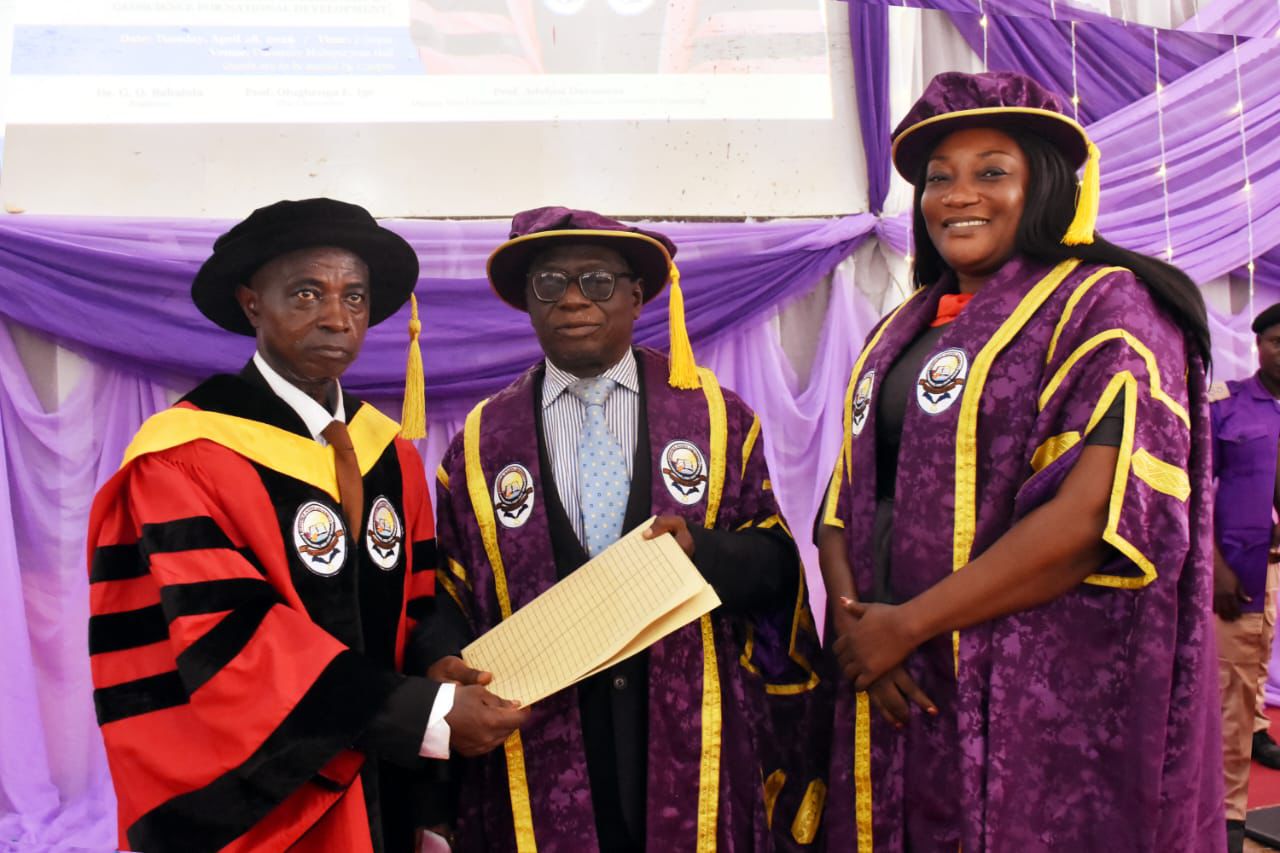
A university don, Solomon Obaje, has called for robust investment in foundational geoscientific data and the establishment of a comprehensive national geospatial data bank as a catalyst for Nigeria’s sustainable development. He also urged the government to increase investment in geological data banks within the solid minerals sector, stating that this could boost Nigeria’s foreign exchange earnings and strengthen economic growth by improving mineral discoveries and attracting mining investments.
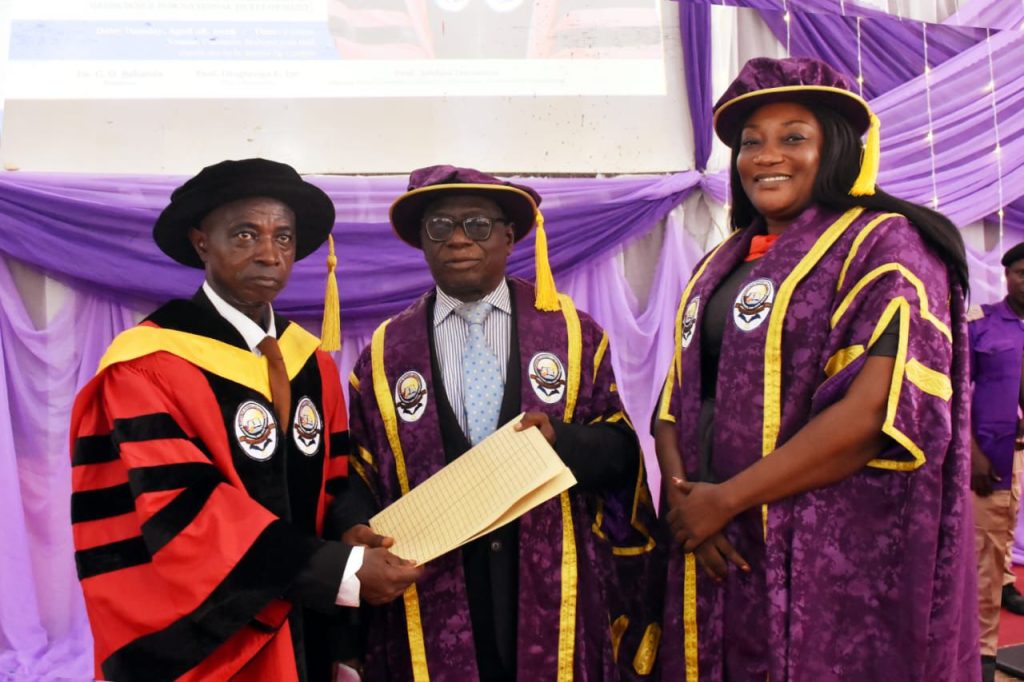
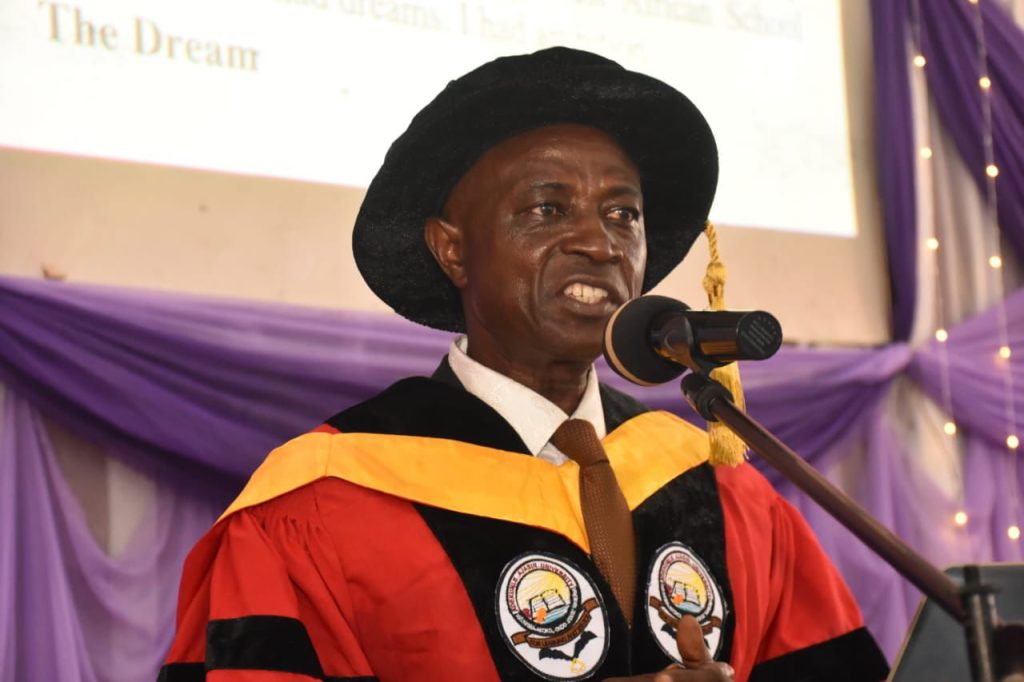
Obaje, a Prof. of Geology in the Department of Earth Sciences at Adekunle Ajasin University, Akungba Akoko, made these calls on Tuesday, April 28, 2026, while delivering the 60th inaugural lecture of the institution, titled “Not Medicine, But Mission: From Disappointment to Discovery in Geoscience for National Development.”
The geoscientist underscored Nigeria’s vast endowment of mineral resources, noting that the nation’s developmental trajectory remains constrained by inadequate investment in data infrastructure. He advocated the revitalisation and sustained funding of national geodata management initiatives, emphasising that geological datasets must be digitised, centralised and made readily accessible through a transparent and efficient Mining Cadastral System to mitigate exploration risks and enhance investor confidence.
He further urged the Federal Government to adopt a strategic approach to the development of critical minerals, particularly advocating the accelerated exploitation of phosphate deposits in Sokoto State to bridge the nation’s fertiliser deficit and strengthen food security. Additionally, he recommended the initiation of pilot schemes for the extraction of associated minerals such as uranium to support long-term energy planning.
Prof. Obaje also stressed the urgency of completing the National Airborne Geophysical Survey alongside high-resolution geochemical mapping across key basement complex mineral belts, including Kebbi, Edo, Ondo and Kogi States. According to him, such datasets constitute critical diagnostic tools necessary for attracting credible mining investments and strengthening evidence-based resource governance.
The inaugural lecturer also challenged emerging geoscientists to cultivate interdisciplinary competence, urging them to transcend narrow specialisations. He encouraged the acquisition of skills in ICT, artificial intelligence and data science to enhance the communication of scientific discoveries to policymakers, engineers and economists.
Prof. Obaje also called on higher institutions to establish Institutes of Earth System, Integrated and Computational Geosciences, and to incorporate computational geology into earth sciences curricula, noting that aligning academic research with national economic priorities will enhance capacity for mineral exploration and support sustainable development.
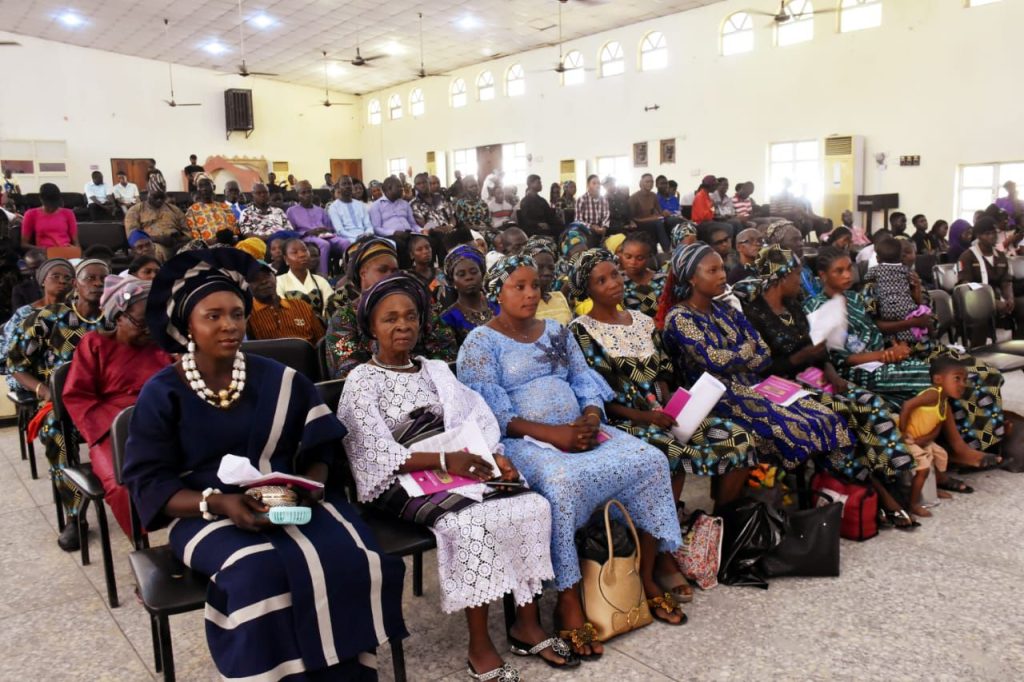
Earlier, while presenting the inaugural lecturer, the Vice Chancellor and Chairman of the occasion, Prof. Olugbenga Ige, represented by the Deputy Vice Chancellor (Administration), Prof. Adebisi Daramola, noted that the lecture reflects a journey of purpose beyond initial setbacks, emphasising that geoscience plays a critical role in unlocking the nation’s economic potential. He commended Prof. Obaje for transforming early career challenges into impactful discoveries, affirming that the university remains committed to supporting research that drives innovation and sustainable development.







Leave a Reply